When clearing and grading land, storm runoff can carry away loose soil. This situation creates a significant challenge for contractors, who must prevent this mobilized sediment from polluting nearby streams, rivers, and lakes.
Effective sediment control is the key to protecting local waterways, ensuring site compliance, and avoiding costly fines. Implementing the right best management practices (BMPs) is a fundamental part of a successful and responsible project.
Environmental protection and legal compliance are the primary reasons sediment control is so critical. Under the Clean Water Act, the U.S. Environmental Protection Agency (EPA) established the National Pollutant Discharge Elimination System (NPDES) program to regulate discharges of pollutants into waters of the United States. For construction activities that disturb one acre or more of land, companies must typically obtain an NPDES permit.
Fulfilling the requirements of this permit involves developing and implementing a Stormwater Pollution Prevention Plan (SWPPP). This plan is your site-specific playbook, detailing exactly how you will manage stormwater and control sediment.
When developing a SWPPP, it’s important to understand the distinction between erosion control and sediment control. While often used interchangeably, they serve two different functions.
Erosion control involves preventive measures designed to stop soil from dislodging. This method is your first line of defense and includes practices like stabilizing exposed soil with mulch or blankets. The objective is to prevent a spill before it happens.
Sediment control refers to practices that capture soil after it has already been mobilized by wind or water. These are reactive measures designed to clean up the mess. Sediment control BMPs are essential when soil is already in motion.

Choosing the right sediment control BMPs is critical for managing your site effectively. At Bedrock Environmental, we provide a comprehensive range of solutions to meet any challenge. As a one-stop shop for contractors, we have the materials you need to ensure compliance:
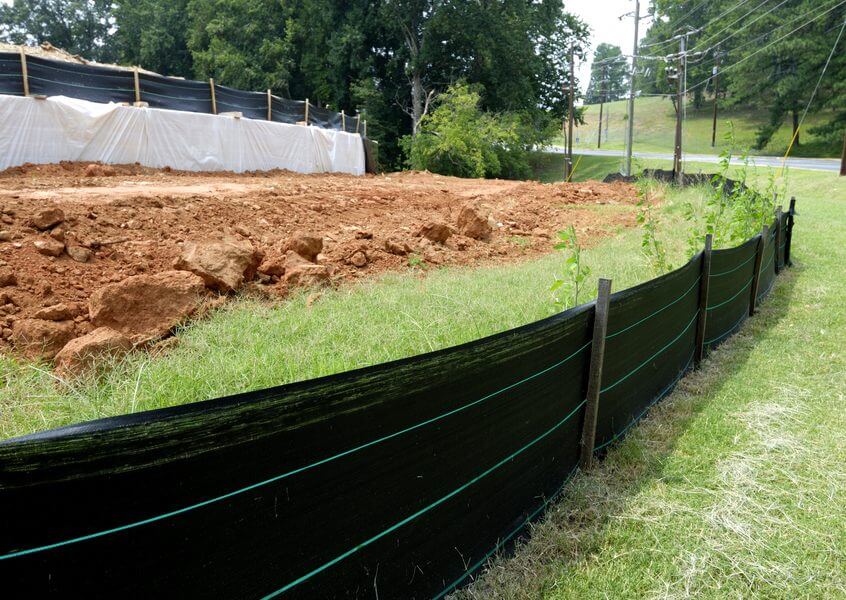
Silt fence: A widely used and cost-effective temporary barrier, silt fences intercept and detain sediment-laden runoff, allowing the sediment to settle out.
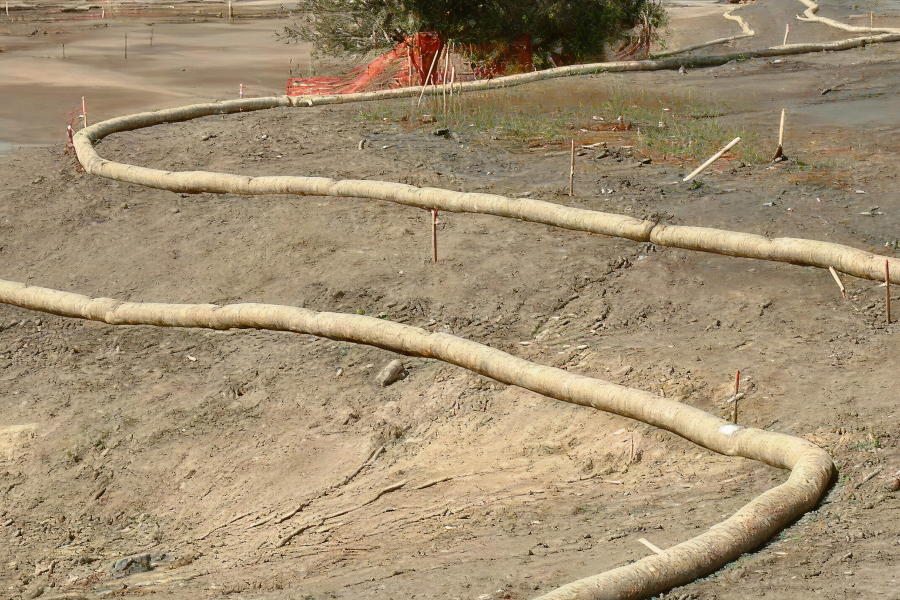
Erosion logs: We offer erosion logs and wattles made from various materials that can be placed along contours or at the base of slopes to slow water velocity and trap soil particles.
Inlet protection: Protect storm drain systems from being overwhelmed with our inlet protection sediment control devices, which filter runoff before it enters a drainage system or waterway.
Dewatering: Our dewatering products, including high-flow filter bags, capture soil particles from pumped water, a practice now highly regulated by the EPA.
Track-out control: Minimize sediment leaving your site on vehicle tires with our construction track-out solutions, helping keep public roads clean and compliant.
Filter sock: For versatile perimeter control, our compost filter sock captures sediment while allowing clean water to flow through, making it an effective and low-impact BMP.
Navigating the demands of a modern construction site means keeping your project on schedule while protecting the environment and staying compliant with NPDES and SWPPP regulations. Bedrock Environmental is your reliable partner, providing a full suite of sediment control products to help you manage your site with confidence.
Call or contact us online to discuss your project needs and find the right solutions.